(310) 859-9449
 Gum Recession Treatment Options: Which Is Right for You?
Gum Recession Treatment Options: Which Is Right for You?
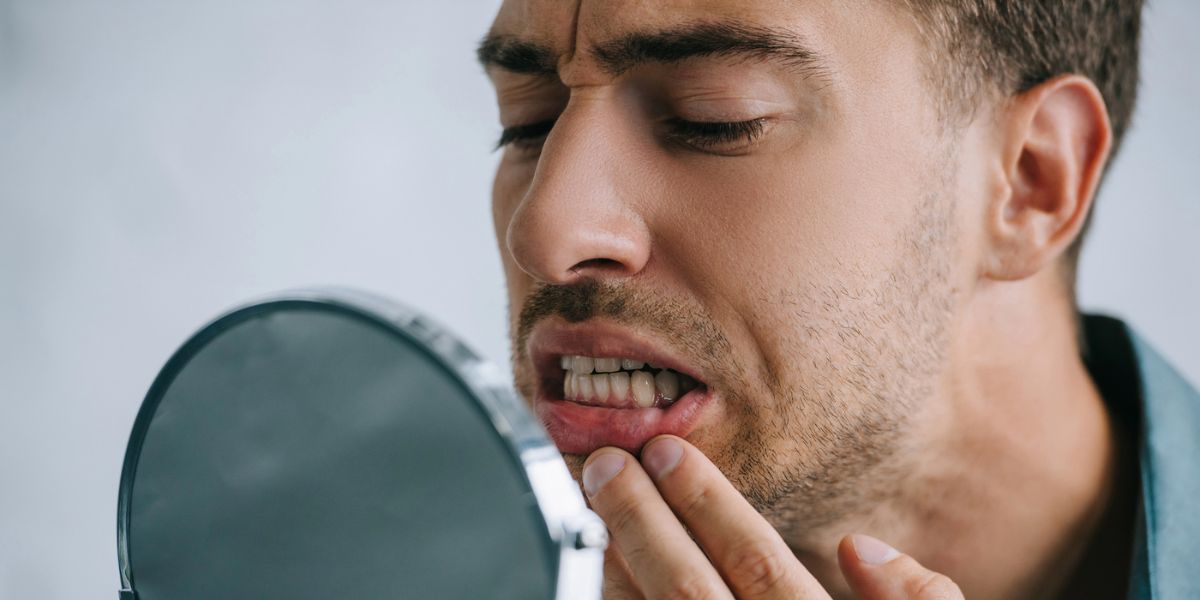
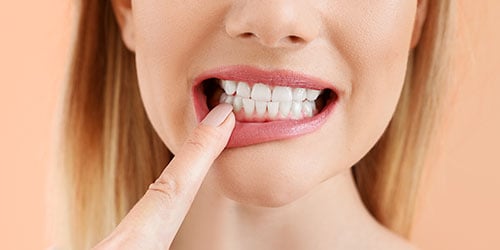
I have often been asked by concerned patients sitting in my exam chair, holding a hand mirror and looking intently at their smile, “Dr. Moshrefi, why do my teeth look longer than they used to?” It is a moment of realization that carries a lot of anxiety. The fear of aging, the fear of losing teeth, and the aesthetic concern of a changing smile all converge in that one question.
If you have noticed that your gum line is pulling back, exposing more of the tooth or even the darker root surface, you are dealing with gingival recession. You are likely experiencing sensitivity to cold water or air, and perhaps you are worried about the stability of your teeth. I want to reassure you right now: this is a treatable condition. While gum tissue does not grow back on its own, modern periodontics allows us to halt the progression and, in many cases, fully restore the lost tissue.
In my years of practice, I have helped countless patients regain not just their gum line, but their confidence. Today, I want to walk you through the landscape of gum recession treatment options so you can understand what is happening in your mouth and how we can fix it together.
Understanding the “Why”: The Anatomy of Recession
Before we discuss how to fix it, it is vital to understand why it happened. Gum recession is the process in which the margin of the gum tissue that surrounds the teeth wears away or pulls back, exposing more of the tooth, or the tooth’s root. When gum recession occurs, “pockets,” or gaps, form between the teeth and gum line, making it easy for disease-causing bacteria to build up.
The root of your tooth is not covered by hard enamel like the crown; it is covered by a softer substance called cementum. Once exposed, this cementum can wear away quickly, leading to extreme sensitivity and root decay (cavities on the root). Structurally, the gum tissue—specifically the “attached gingiva”—acts as a protective barrier against the mechanical trauma of chewing and brushing. When you lose that attached gingiva, the stability of the tooth is compromised.
I often see recession caused by a combination of factors. Sometimes it is mechanical, caused by aggressive brushing with a hard-bristled toothbrush. Other times, it is purely anatomical or genetic; some patients are born with thin biotypes of gum tissue that are more prone to receding. And, of course, periodontal disease (gum disease) is a leading culprit, destroying the supporting bone and tissue.

The Consequences of Waiting
The most common mistake I see patients make is the “wait and see” approach. Unfortunately, recession is progressive. It does not hit a pause button on its own. If left untreated, the supporting tissue and bone structures of the teeth can be severely damaged, and ultimately, may result in tooth loss.
Research indicates that untreated recession leads to an increase in root caries (cavities). Because the root surface is softer than enamel, decay spreads rapidly here, often reaching the nerve of the tooth much faster than decay on the crown. Furthermore, the aesthetic impact can be significant. As the gums recede, the smile line becomes uneven, and the exposed roots can appear yellow or dark compared to the white crown.
However, the most pressing reason to seek treatment is the preservation of the alveolar bone. The gum tissue covers and protects the bone. When the gum is lost, the bone is often lost shortly thereafter. By intervening early with appropriate gum recession treatment options, we are not just saving the gum; we are saving the foundation of your smile.
Evaluating Your Gum Recession Treatment Options
When you visit my office, my primary goal is to determine the extent of the recession and the underlying cause. Once we address the cause (such as correcting brushing technique or treating active infection), we look at reconstruction. There is no single “magic bullet” for everyone; the right choice depends on the severity of your recession, the number of teeth involved, and your aesthetic goals.
1. The Connective Tissue Graft (The Traditional Gold Standard)
For decades, the Connective Tissue Graft has been considered the gold standard in periodontics for root coverage. In this procedure, I harvest a small piece of tissue from the roof of your mouth (the palate) or use a donor tissue matrix. This tissue is then tucked under the existing gum tissue around the exposed root.
The primary advantage here is predictability. By using your own tissue (autogenous graft), we bring living cells and blood supply to the area, which integrates beautifully. This procedure is excellent for thickening the gum tissue, making it more resistant to future recession. It essentially adds a “bumper” of protection to the tooth.
However, I am always transparent with my patients: this method usually requires sutures and has a recovery period where the roof of the mouth may feel like a “pizza burn” for a few days if we harvest tissue from there. Pain management is very effective, but the downtime is a consideration for busy professionals.
2. The Free Gingival Graft
Similar to the connective tissue graft, the Free Gingival Graft involves taking a small layer of tissue from the roof of the mouth. However, instead of tucking it under the existing gum, we place it directly on top of the area that needs reinforcement.
I typically recommend this option when the main goal is not necessarily cosmetic root coverage, but rather increasing the thickness and toughness of the gum tissue to prevent further recession. This is often used on lower front teeth where the tissue needs to be robust. The result is very stable, though the color match might not be as seamless as a connective tissue graft, appearing slightly lighter than the surrounding gums.
Advanced Techniques: Moving Beyond the Scalpel
Periodontics has evolved significantly. While traditional grafting is highly effective, many of the patients I see are looking for less invasive solutions with faster recovery times. This is where we explore modern gum recession treatment options that utilize advanced technology and techniques.
3. The Pinhole Surgical Technique (PST)
This is a procedure that has revolutionized how we treat recession, and it is a favorite among patients who are anxious about surgery. The Pinhole Surgical Technique is a scalpel-free, suture-free procedure. Instead of cutting and stitching, I make a tiny pinhole in the gum tissue above the affected teeth.
Using specialized instruments, I gently loosen the gum tissue and slide it down to cover the exposed root structure. To keep the tissue in its new position, I insert collagen strips through the pinhole. These collagen strips act as a scaffolding, supporting the gum while the body generates new natural tissue to secure it.
The benefits are substantial. Because there are no incisions and no harvesting of tissue from the roof of the mouth, the post-operative discomfort is minimal. Most patients return to normal activities within 24 hours. The cosmetic results are immediate; you walk out of the office with your gum line restored. This is often the ideal choice when we need to treat multiple teeth or a whole arch at once.
4. Guided Tissue Regeneration (GTR)
In cases where the recession has been caused by periodontal disease and deep pockets have destroyed the supporting bone, we need to regenerate the underlying structures, not just the soft tissue. This is where Guided Tissue Regeneration comes in.
In this procedure, I gently fold back the gum tissue and remove the bacteria. I then place a regenerative material—which could be a membrane, bone graft, or tissue-stimulating proteins—into the defect. This material encourages your body to regrow bone and tissue. While this is a more involved surgery, it is crucial for saving teeth that are otherwise hopeless.
Comparing the Clinical Data
To help you visualize the differences between these approaches, I have compiled a comparison based on clinical outcomes and patient experiences. It is important to note that success relies heavily on the skill of the clinician and the patient’s adherence to aftercare instructions.
| Treatment Option | Primary Indication | Esthetic Outcome | Recovery Comfort | Scientific Efficacy |
|---|---|---|---|---|
| Connective Tissue Graft | Root coverage & thickening tissue | Excellent (High color match) | Moderate (Palatal donor site) | High Predictability for root coverage |
| Free Gingival Graft | Increasing sturdy tissue (prevention) | Fair (Patch may be lighter) | Moderate | Excellent for halting progression |
| Pinhole Technique (PST) | Multiple teeth recession, Esthetics | Excellent (Immediate results) | High (Minimal pain/swelling) | High patient satisfaction & coverage |
| Guided Tissue Regeneration | Deep pockets & bone loss | Good (Function over form) | Moderate to Low | Essential for bone regrowth |
Scientific Insights and Statistics
It is helpful to ground our expectations in data. When we look at the efficacy of these treatments, the numbers are encouraging for patients seeking restoration.
- Fact: According to the American Academy of Periodontology, periodontal plastic surgery procedures, including gum grafts, have demonstrated a high success rate in halting further recession and reducing root sensitivity.
- Fact: A study published by the National Center for Biotechnology Information (NCBI) highlights that subepithelial connective tissue grafts can achieve a mean root coverage of over 80% to 90% in varying classes of recession defects.
- Statistic: It is estimated that nearly 50% of American adults aged 30 and over have some form of periodontal disease, which is a primary precursor to gum recession.
- Statistic: Patients undergoing minimally invasive options like the Pinhole technique report significantly lower pain scores (often rated 1-2 on a scale of 10) compared to traditional grafting methods immediately post-operation.
Navigating Your Recovery
Regardless of which of the gum recession treatment options we choose, your recovery plays a massive role in the final result. I often tell my patients that the surgery is 50% of the work; how you care for it is the other 50%.
For grafting procedures, the most critical rule is not to disturb the site. This means no brushing or flossing the treated area until it has healed. We will provide you with a specialized antimicrobial rinse to keep the area clean. You will also need to stick to a soft diet—think yogurt, eggs, smoothies, and pasta—for the first week or two. Mechanical trauma from a crunchy chip or a piece of crusty bread can dislodge a graft before it has established a blood supply.
With the Pinhole technique, the recovery is easier, but the “no brushing” rule still applies strictly. Because we rely on the collagen strips and the body’s natural healing to secure the gum, even the bristles of a soft brush can undo the work in the first few days.
Swelling is a normal part of the body’s inflammatory healing response. Ice packs and anti-inflammatory medication (like Ibuprofen) are usually sufficient to manage this. I monitor my patients closely during this period to ensure that vascularization—the growth of blood vessels into the new tissue—is happening as expected.
Choosing the Right Path for Your Smile
So, how do we decide? During your consultation, I look at the “Class” of your recession (Miller Class I, II, III, or IV). Class I and II defects, where there is no bone loss between the teeth, have the highest prognosis for 100% root coverage. Class III and IV, which involve bone loss, are more complex to treat.
We also discuss your lifestyle. If you are a public speaker or have a job that requires you to be “camera ready” immediately, the immediate cosmetic improvement of Pinhole might be preferable. If you have extreme sensitivity and thin tissues, the thickening capability of a connective tissue graft might be medically necessary.
Budget is also a factor. While insurance often covers a portion of these procedures if they are deemed medically necessary (to prevent tooth loss), coverage varies. We work with you to understand your benefits, but I always advise prioritizing the long-term health of the tooth over the short-term cost. Replacing a lost tooth with an implant is significantly more expensive and complex than saving the tooth with a gum graft today.
Next Steps for a Healthier Smile
Gum recession is not something you have to live with, and it certainly isn’t something you should ignore. The sensitivity, the aesthetic concerns, and the risk to your dental health are all addressable issues. Whether through the precision of the Pinhole Surgical Technique or the robust stability of a tissue graft, we have the tools to restore your gum line and protect your smile for decades to come.
I have dedicated my career to mastering these techniques because I believe that a healthy foundation is the key to overall health. Do not let fear of the procedure stop you from saving your teeth. The technology has improved, the discomfort is manageable, and the results are life-changing.
If you are in the Beverly Hills or Los Angeles area and are concerned about receding gums, I invite you to visit MD Perio. Let’s schedule a consultation to determine which treatment option is best for your unique smile.
About Dr. Abdy Moshrefi
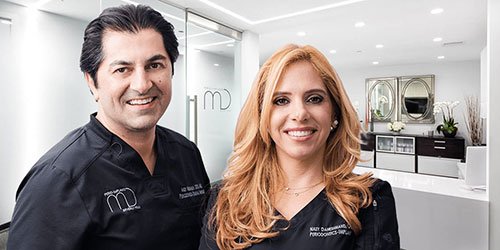
Dr. Abdy Moshrefi, D.D.S., is a leading periodontist based in Beverly Hills, renowned for his expertise in implant dentistry and periodontal reconstruction. A graduate of UCLA and USC School of Dentistry, Dr. Moshrefi is a Diplomate of the American Board of Periodontology. His practice, MD Perio, focuses on providing state-of-the-art, holistic periodontal care, combining technical excellence with a compassionate, patient-centered approach. He is dedicated to staying at the forefront of dental technology to offer his patients the most effective and minimally invasive treatments available.

Dr. Moshrefi, a board-certified periodontist, graduated from UCLA in 1995 with Phi Beta Kappa and Magma Cum Laude honors. He graduated from USC’s Dental School in 2002 with a doctoral and specialty training in Periodontics and has a Master of Science degree in craniofacial biology.
- The Real Cost of Dental Implants in Beverly Hills - March 2, 2026
- 7 Silent Signs of Gum Disease Most People Ignore - March 2, 2026
- Gum Recession Treatment Options: Which Is Right for You? - February 28, 2026