(310) 859-9449
 Bone Grafting for Dental Implants: Complete Guide
When patients walk into my office looking to restore their smiles, they are often excited about the prospect of dental implants. It is a fantastic solution that looks and feels just like natural teeth. However, during the consultation, I sometimes have to break the news that their jawbone isn’t quite ready for the implant yet. I explain that we need to perform a bone graft first. Naturally, this raises a lot of questions. Is it scary? Is it painful? Why is it necessary?
As a periodontist, I want to take the mystery out of this procedure. While “bone grafting” sounds intense, it is actually a very common, safe, and predictable treatment that I perform regularly. It is the secret ingredient that ensures your dental implant lasts a lifetime. In this guide, I will walk you through everything you need to know about getting a bone graft for dental implants, from the materials we use to the recovery process.
Understanding the Foundation of Your Smile
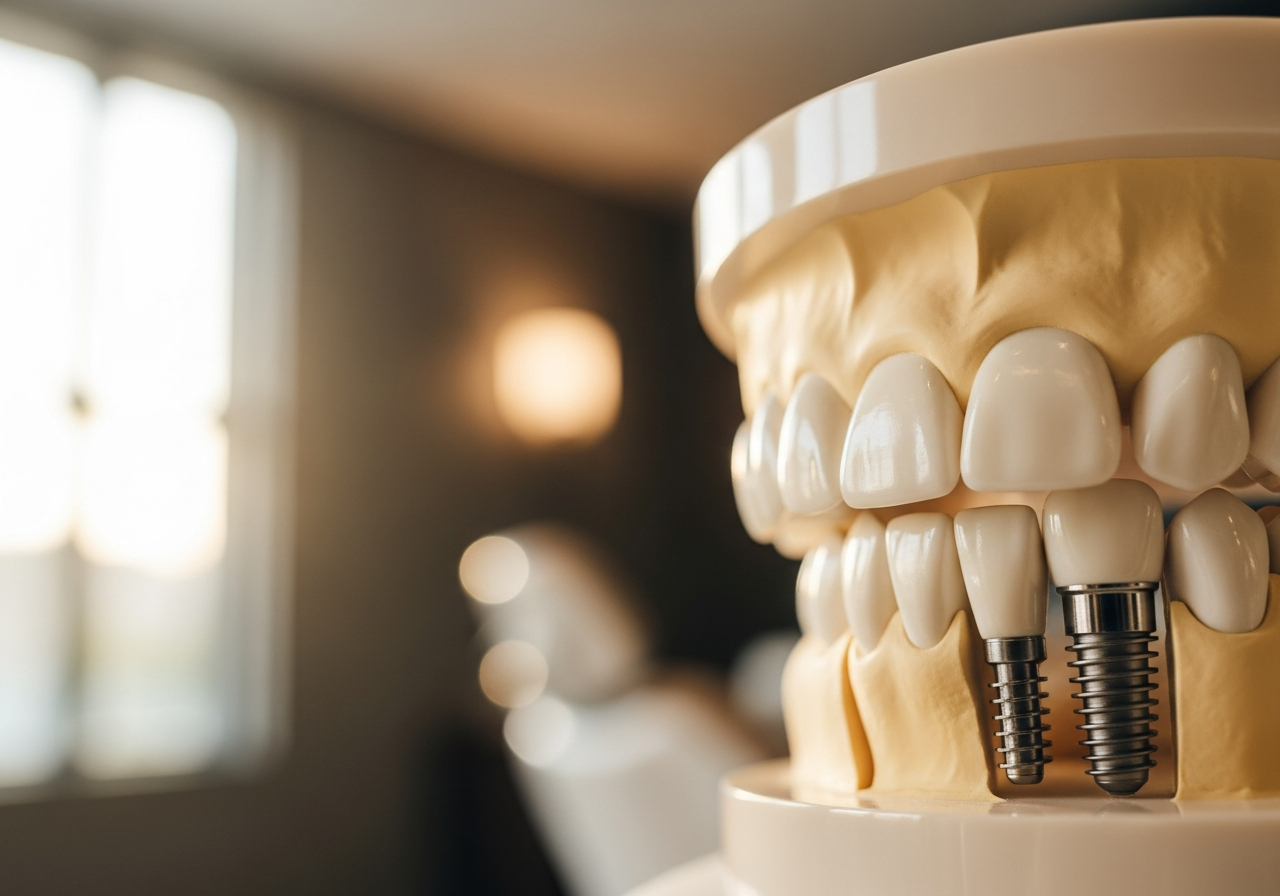
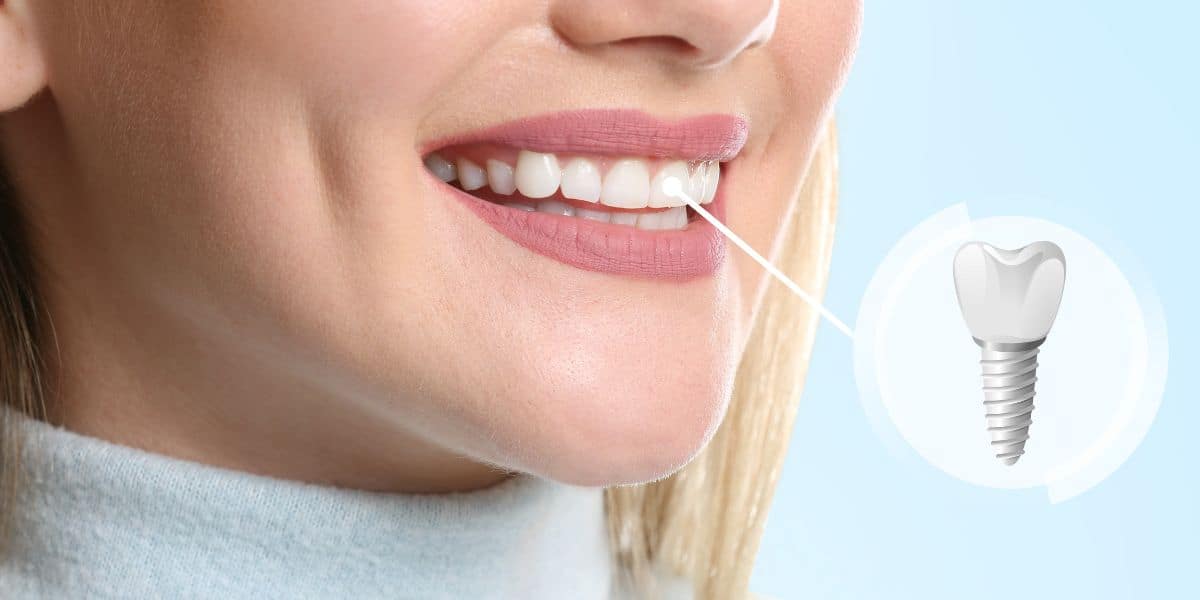
To understand why grafting is necessary, you have to understand how dental implants work. Unlike dentures that sit on top of your gums, a dental implant is a titanium screw that is surgically placed into your jawbone. This screw acts as the root of your new tooth.
I often use the analogy of building a house. You wouldn’t build a beautiful, heavy house on a foundation of sand or weak soil. If you did, the house would eventually sink or collapse. The same rule applies to your mouth. The implant needs a dense, strong, and wide foundation of bone to grip onto. If your jawbone is too thin or soft, the implant will fail under the pressure of chewing.
This is where the bone graft for dental implants comes in. It is essentially a way for us to rebuild the foundation so that your new tooth can stand strong for decades.
Why Do We Lose Jawbone Density?
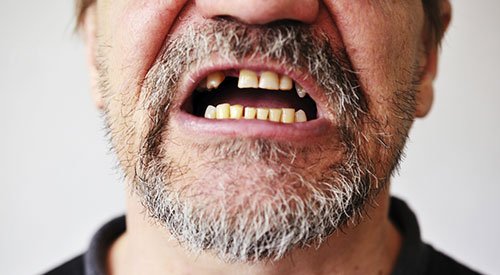
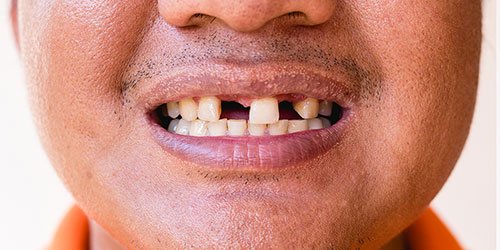
Many patients ask me, “Dr. Moshrefi, why did I lose bone in the first place?” It is a great question. Your jawbone is a “use it or lose it” part of your body. When you chew, the roots of your teeth stimulate the bone, keeping it healthy and dense. When you lose a tooth, that stimulation stops.
Here are the most common reasons I see for bone loss:
- Tooth Extractions: Once a tooth is pulled, the body begins to resorb (dissolve) the bone in that area because it thinks it is no longer needed. Studies show that up to 25% of bone width can be lost within just the first year after tooth loss.
- Periodontal Disease: Gum disease is a bacterial infection that eats away at the jawbone supporting the teeth. This is a major area of focus in my practice.
- Trauma: An injury to the jaw can cause bone to fracture or die off.
- Long-term Denture Use: Because dentures sit on top of the gums, they do not stimulate the bone underneath, leading to gradual shrinkage of the jaw over time.
The Different Types of Bone Grafts
We have several options when it comes to the material we use to rebuild your jaw. During our consultation, I will determine which one is best for your specific body and health history. We don’t just use “one size fits all” solutions here.
Autografts (Your Own Bone)
This is often considered the “gold standard” because it involves taking bone from another part of your body, usually the chin, the back of the jaw, or the hip. Because it is your own living tissue, there is zero risk of rejection, and it heals very fast.
Allografts (Human Donor Bone)
This is the most common type I use because it doesn’t require a second surgical site on your body. This bone comes from a certified tissue bank. It undergoes rigorous testing and sterilization. It provides a scaffold for your own bone to grow into.
Xenografts (Animal Bone)
Usually derived from bovine (cow) sources, these graft materials are processed at very high temperatures to remove all organic material. The remaining mineral structure looks just like human bone under a microscope. It acts as a perfect frame for your body to build new bone around.
Alloplasts (Synthetic Material)
For patients who prefer not to use human or animal products, we can use synthetic materials made from calcium phosphate. These are man-made but mimic the properties of natural bone effectively.
How Common is This Procedure?
If you have been told you need a graft, please do not feel like you are a rare case. It is incredibly common. In fact, current dental data indicates that approximately 50% of all dental implant procedures require some form of bone grafting. Whether it is a small addition of bone at the time of extraction or a larger sinus lift, half of the patients getting implants need this extra step to ensure success.
The Procedure: Step-by-Step
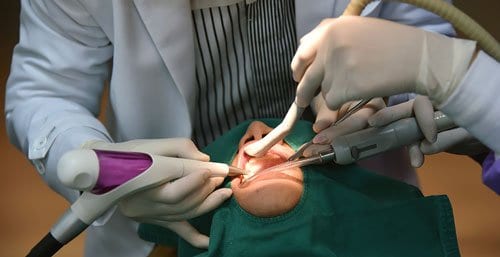
I know the word “surgery” can cause anxiety, but I want to reassure you that the process is generally very smooth. Here is what you can expect when you are in my chair.
1. Anesthesia and Comfort
First and foremost, we make sure you are comfortable. We use local anesthesia to completely numb the area. If you are anxious, we can discuss sedation options. You should feel no pain during the procedure, only some pressure or vibration.
2. Preparing the Site
If you are having a tooth extracted, I might place the bone graft immediately into the empty socket. This is called “socket preservation.” If the tooth has been gone for a while, I will make a small incision in the gum tissue to expose the underlying bone.
3. Placing the Graft
I carefully place the chosen bone graft material into the area where the bone volume is low. I shape it to look natural and provide the width we need for the future implant.
4. The Membrane
This is a crucial step. I often place a collagen membrane over the graft. Think of this as a biological Band-Aid. It holds the graft in place and prevents your gum tissue from growing into the bone graft, allowing the bone to regenerate undisturbed.
5. Closing Up
Finally, I reposition the gum tissue and place a few stitches to close the incision. The entire process for a single site usually takes less than an hour.
Specialized Grafting Procedures
Sometimes, we need to do more than just fill a socket. Depending on where you are missing teeth, we might perform slightly different versions of the bone graft for dental implants.
Sinus Lifts
If you need an implant in your upper jaw (towards the back), we often run into a space issue. The maxillary sinus—the air-filled space behind your cheeks—might be too close to the mouth. In a sinus lift, I gently lift the sinus membrane upward and pack bone graft material underneath it. This creates a safe, thick floor of bone for the implant.
Ridge Expansion
If your jaw is tall enough but not wide enough, we can perform a ridge expansion. This involves mechanically widening the bone and filling the space with graft material to create a wider ridge for the implant screw.
What About Recovery and Pain?
This is the number one question I get: “Dr. Moshrefi, how much will it hurt?”
You might be surprised to hear that bone grafting usually causes less discomfort than the tooth extraction itself. Bone does not have many nerve endings. Most of the discomfort comes from the gum tissue being manipulated.
Here is a realistic look at recovery:
- The First 24 Hours: You may experience some swelling and minor bleeding. Ice packs are your best friend here.
- Pain Management: Over-the-counter pain relievers like Ibuprofen or Tylenol are usually sufficient. I may prescribe antibiotics to prevent infection, which you must finish completely.
- Diet: You will need to stick to soft foods for a few days. Think yogurt, smoothies (no straws!), mashed potatoes, and eggs. Avoid anything crunchy or spicy that could irritate the site.
- Oral Hygiene: I will give you a special antimicrobial mouth rinse. You should avoid brushing directly over the surgical site for a week or so to let the stitches hold.
Most of my patients return to work or their normal routine within one to two days.
The Healing Timeline
Patience is key when it comes to bone grafting. Unlike a filling that is ready the moment you leave the office, bone needs time to regenerate. This biological process is called “osseointegration.”
For a minor graft (like socket preservation), we might be able to place the implant in 3 to 4 months. For larger procedures like a sinus lift or major block graft, we may need to wait 6 to 9 months before the bone is hard enough to support an implant.
I know waiting is hard, but rushing this process increases the risk of implant failure. We want this to be a permanent solution, so we respect the body’s healing speed.
Success Rates and Safety
You want to know that this investment of time and money is worth it. I am happy to report that bone grafting is incredibly successful. According to clinical studies, dental implants placed in grafted bone have a success rate of over 95%. This is comparable to implants placed in natural, non-grafted bone.
The materials we use today are biocompatible and safe. The risk of rejection or infection is very low, especially when performed by a specialist like a periodontist who manages these tissues daily.
The Cost Factor
I believe in transparency, though giving an exact price in a blog post is difficult because every mouth is unique. The cost of a bone graft for dental implants depends on the amount of material needed, the type of bone used, and the complexity of the surgery (e.g., a simple socket graft vs. a sinus lift).
While it does add to the overall cost of your implant journey, it is an essential investment. Skipping the graft to save money usually results in the implant failing later on, which is much more expensive and painful to fix. Many dental insurance plans offer partial coverage for grafting, and my office always works with patients to find financial solutions.
For more detailed information on oral surgery procedures and materials, I recommend reading resources from the American Association of Oral and Maxillofacial Surgeons.
Are You a Candidate?
Almost anyone who is healthy enough to undergo minor dental surgery is a candidate for a bone graft. However, certain lifestyle factors can slow down healing. Smoking, for example, significantly increases the risk of graft failure. Uncontrolled diabetes can also affect healing. During our consultation, we will review your medical history to ensure you are cleared for the procedure.
Moving Forward with Confidence
I hope this guide has helped demystify the process for you. While the term “bone grafting” sounds technical, it is truly just a way of helping your body rebuild itself. It allows us to turn back the clock on bone loss and provide a solid foundation for your new smile.
In my practice, I view bone grafting not as an obstacle, but as the vital first step toward a permanent restoration. It ensures that when you finally get that dental implant, you can bite into an apple, laugh, and smile with total confidence, knowing your teeth are secure.
If you have been told you need a bone graft for dental implants, or if you are considering implants and want to know where you stand, I am here to help. Let’s build that foundation together.

- Periodontal Disease Stages: From Gingivitis to Advanced - March 30, 2026
- 5 Reasons Your Dental Implant Failed & How to Prevent It - March 23, 2026
- Bone Grafting for Dental Implants: Complete Guide - March 16, 2026