(310) 859-9449
 How Long Do Dental Implants Last? Longevity Guide
The Truth About Permanent Tooth Replacement: An Expert Guide
When patients walk into my office at MD Perio, they are often looking for more than just a cosmetic fix. They are looking for a return to normalcy. They want to eat a steak without worry, smile without hesitation, and stop the cycle of dental repairs that has plagued them for years. However, before they commit to surgery, there is almost always a pause. A moment of calculation. And inevitably, I hear the question that defines the value of this investment: how long do dental implants last?
It is a fair question. In fact, it is the most important question. You are considering a significant investment in your health, your appearance, and your future quality of life. You deserve a straight answer, but the reality is that the answer is rarely a simple number. As a periodontist with years of experience placing implants and restoring smiles, I have seen implants placed decades ago that look as pristine today as the day they were inserted. I have also seen patients come to me from other clinics with failing implants after only a few years. The difference almost always lies in the details—the biology, the technique, and the maintenance.
In this guide, I am going to pull back the curtain on dental longevity. I want to move past the marketing slogans and give you the medical reality of what you can expect. We will explore the biological process of osseointegration, the critical difference between the implant post and the crown, and exactly what you need to do to ensure your new smile lasts a lifetime.
Realistically, How Long Do Dental Implants Last?
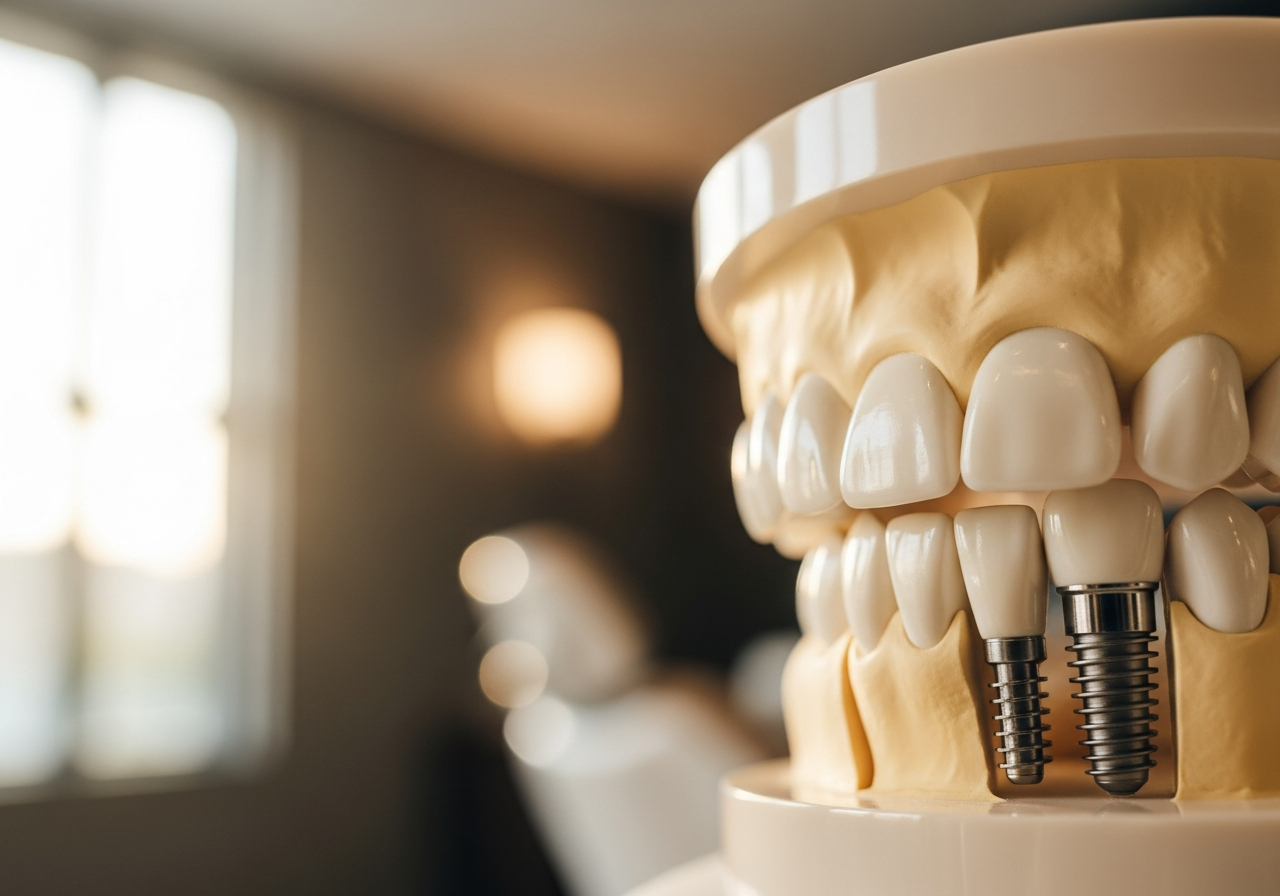
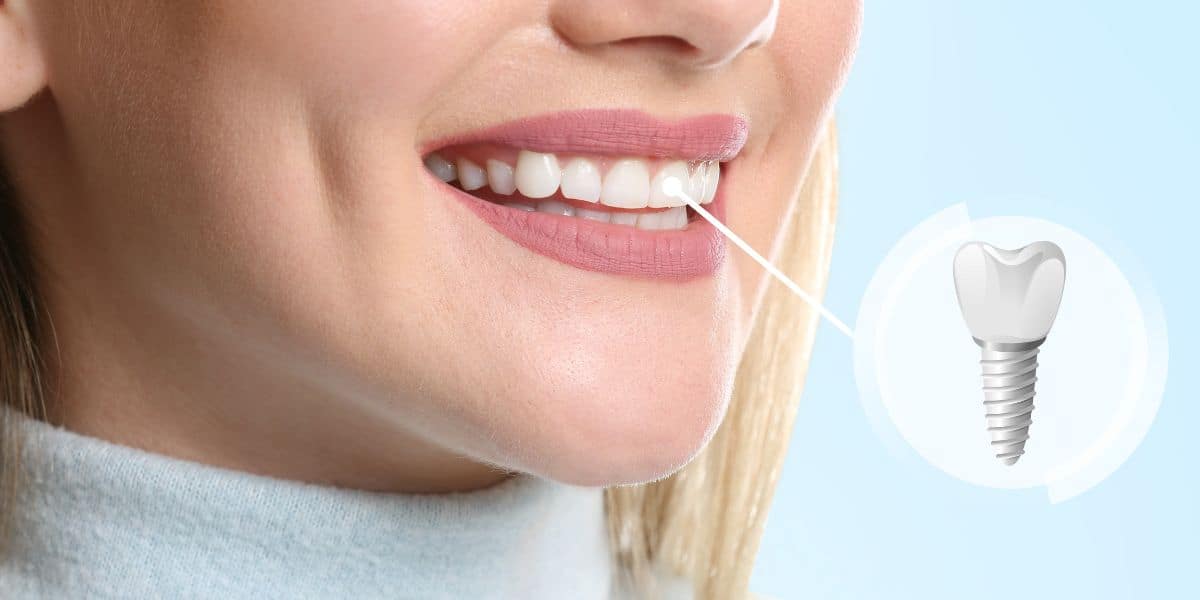
To understand longevity, we first have to agree on what we are talking about. A dental implant system is actually made of three parts: the implant body (the titanium screw inserted into the bone), the abutment (the connector), and the crown (the visible tooth). When patients ask me how long do dental implants last, I usually tell them that the implant body—the part that mimics the root of your tooth—is designed to be a permanent fixture in your body. It is meant to last 25 years or more. In many cases, it lasts for the remainder of the patient’s life.
However, the restoration sitting on top of that implant experiences the same wear and tear as your natural teeth. You chew, you grind, and you bite down with significant force every single day. Consequently, the crown may need replacement after 10 to 15 years, much like a crown on a natural tooth. But the foundation? That should be there to stay. The gold standard in our field, backed by clinical literature, suggests a success rate of over 95% to 98%. This makes dental implants one of the most predictable and successful procedures in all of medicine. Unlike a hip replacement or a knee replacement, which generally has a shelf life of 15 to 20 years before wearing out, a dental implant does not inherently “wear out” because it fuses biologically with your jawbone.
I often explain to my patients that the “lifetime” label isn’t a warranty; it is a potentiality. That potential is realized only when specific conditions are met. I have treated patients who believed that because implants are artificial, they don’t require cleaning. This is a dangerous misconception. While titanium cannot get cavities, the bone and gum tissue supporting that titanium are still very much alive and susceptible to infection. The longevity of your implant is directly tied to the health of the living tissue surrounding it.

The Biology of Success: Osseointegration and Stability
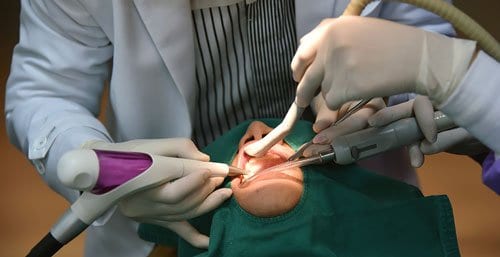
The magic behind dental implants is a process called osseointegration. This is a term we use to describe the structural and functional connection between living bone and the surface of a load-bearing artificial implant. When I place an implant, I am not just screwing a post into wood; I am introducing a biocompatible material (usually titanium or zirconia) to living bone cells. Over the course of three to six months, your bone cells actually grow into the microscopic rough surface of the implant, locking it into place. Once this fusion occurs, the implant becomes part of your anatomy.
From a periodontal perspective, this is where the skill of your surgeon becomes the defining factor. If an implant is placed in bone that is too thin, or if the angle is slightly off, the forces of chewing will not be distributed evenly. Over time, this causes bone loss. I often compare it to building a house. If the foundation is poured on a slope or in a swamp, it doesn’t matter how beautiful the house is; eventually, the walls will crack. In my practice, we utilize advanced 3D imaging to map the bone structure before we ever touch the patient. This allows us to place the implant in the optimal position for long-term survival, ensuring the biology works in our favor.
Furthermore, the gum tissue—or what we call the peri-implant mucosa—must create a tight seal around the neck of the implant. This seal prevents bacteria from migrating down into the bone. If this seal is weak, or if the patient has a history of gum disease that hasn’t been managed, the longevity of the implant is compromised. This is why seeing a specialist, specifically a periodontist, is often recommended for implant placement. We specialize in the hard and soft tissues that support the teeth. We don’t just look at the white part of the tooth; we look at the pink part and the bone underneath, which are the true guardians of implant longevity.
There is also the matter of systemic health. The body’s ability to heal and maintain bone affects how long do dental implants last significantly. Conditions like uncontrolled diabetes or habits like heavy smoking can impair blood flow and the immune response, making osseointegration more difficult and increasing the risk of future failure. However, with proper management and a skilled team, even patients with these risk factors can achieve successful, long-lasting results.
Scientific Data on Implant Survival Rates
It is important to look at the numbers. In medicine, we rely on longitudinal studies to predict outcomes. The data below reflects general success rates found in peer-reviewed clinical literature for dental implants over extended periods.
| Time Horizon | Estimated Survival Rate | Key Contributing Factor |
|---|---|---|
| 5 Years | 98% – 99% | Proper surgical placement and osseointegration. |
| 10 Years | 95% – 97% | Maintenance of oral hygiene and regular check-ups. |
| 15+ Years | 90% – 95% | Biomechanics (bite force) and systemic health changes. |
| 20+ Years | 85% – 92% | Long-term bone preservation and absence of peri-implantitis. |
To further illustrate the reliability of this procedure, consider these findings from the medical community:
- Fact: A study published in the Journal of Clinical Periodontology found that with proper maintenance, the incidence of peri-implantitis (infection around the implant) can be kept very low, drastically extending the lifespan of the restoration.
- Fact: Titanium, the primary material used in implants, is non-corrosive and biocompatible, meaning the body does not reject it as a foreign object in the vast majority of cases.
- Statistic: Smoking increases the failure rate of dental implants by up to 20% compared to non-smokers due to reduced blood flow to the gums.
- Statistic: Implants placed by specialists (periodontists or oral surgeons) have statistically higher survival rates in complex cases compared to those placed by generalists with less surgical training.
The Silent Enemy: Why Do Implants Fail?
While the success rates are incredibly high, failures do happen. Understanding why they happen is the key to preventing them. The most common cause of late-term implant failure is a condition called peri-implantitis. This is essentially gum disease, but for implants. It occurs when bacteria build up around the base of the implant, causing inflammation in the gum tissue. If left untreated, this inflammation spreads to the bone, eating away the foundation that holds the screw in place. Once enough bone is lost, the implant becomes loose and may need to be removed.
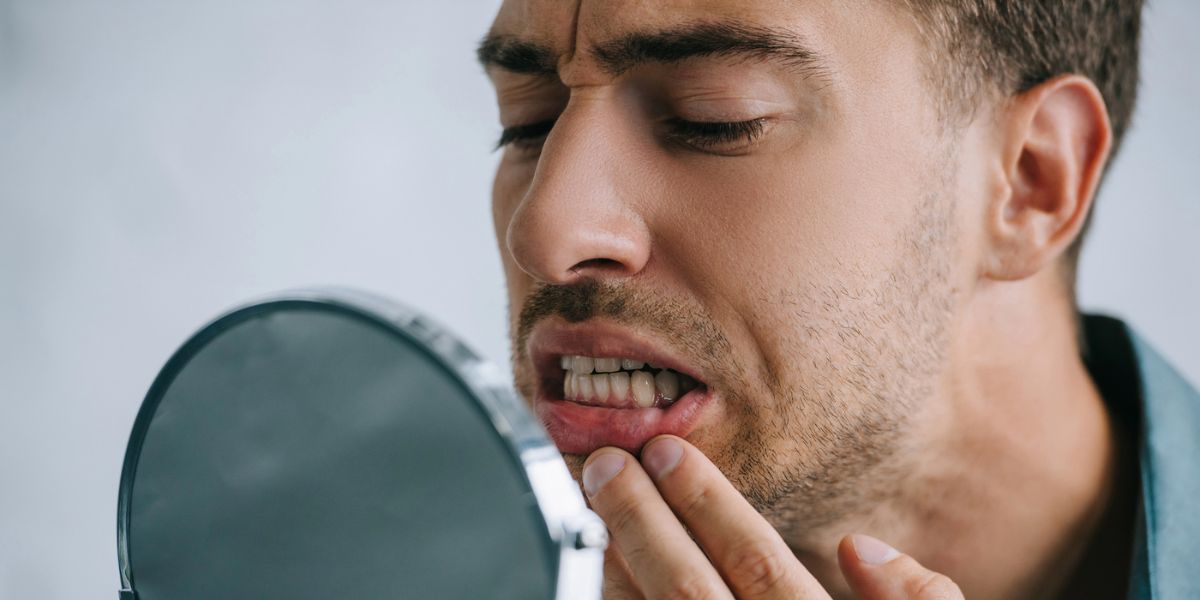
I cannot stress enough that peri-implantitis is a painless condition in its early stages. You won’t feel it hurting. You might notice a little bleeding when you floss, or perhaps some redness, but often there are no obvious symptoms until the damage is severe. This is why I insist on a rigorous follow-up schedule for my patients. We need to catch these issues when they are microscopic, not when they are catastrophic. Mechanical failure is another possibility, though less common. This involves the loosening of the screw inside the implant or the fracturing of the porcelain crown. These are usually easy fixes that do not require removing the implant itself.
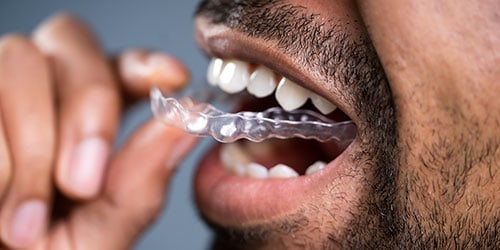
Another factor that influences how long do dental implants last is the force you apply to your teeth. If you are a heavy grinder (bruxism), you are putting massive amounts of pressure on your implants while you sleep. Natural teeth have a ligament that acts as a shock absorber, allowing the tooth to move slightly under pressure. Implants do not have this ligament; they are rigid. Therefore, the force is transferred directly to the bone. For my patients who grind their teeth, I almost always prescribe a custom night guard. This simple piece of plastic acts as a buffer, protecting the investment we have made in their smile.
For more detailed information on the biological factors of gum health, I recommend reading resources from the American Academy of Periodontology, which explains the critical link between gum tissue health and restorative success.
My Role vs. Your Role: A Partnership for Longevity
I look at dental implant therapy as a partnership. My job is to execute a flawless surgery. This means planning the placement with precision, managing the soft tissue so it looks natural and healthy, and ensuring the bone is dense enough to support the load. I use the highest quality materials available because cutting corners on the titanium alloy or the abutment design is a recipe for problems down the road. I take responsibility for the structural integrity of your smile.
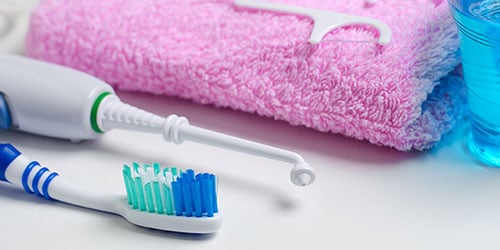
Your job, however, is equally important. You are the custodian of this investment. The maintenance required for a dental implant is not difficult, but it must be consistent. You must brush twice a day and floss daily. However, flossing an implant is slightly different than flossing a tooth. You need to “shoe-shine” the floss around the implant to ensure you are cleaning the collar where it meets the gum. I often recommend water flossers to my patients as well, as they are excellent at flushing out debris from areas that are hard to reach.
Beyond home care, you must commit to professional cleanings. At MD Perio, we have specific instruments made of materials that won’t scratch the titanium surface of your implants. Standard metal scalers can scratch the implant, creating a rough surface where bacteria can hide. We also monitor your bone levels with X-rays to ensure stability. When patients ask me about the longevity of their procedure, I tell them: “If you take care of them, I expect them to outlast us both.”
For a broader medical perspective on how lifestyle choices impact dental health, the Mayo Clinic offers excellent insights into the risks and benefits of implant surgery.
Final Thoughts: Is It Worth It?
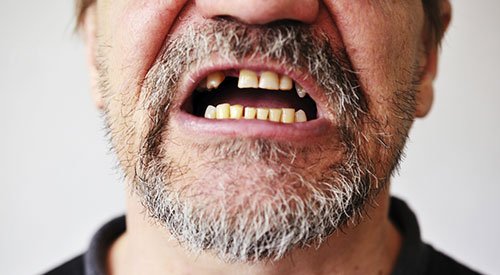
We have discussed the biology, the risks, and the maintenance. But ultimately, the decision to get dental implants is about quality of life. I have seen patients who have struggled with loose dentures for years, unable to eat an apple or laugh without covering their mouths. The transformation when they receive implants is profound. It is not just about teeth; it is about confidence. It is about health.
So, how long do dental implants last? With the right surgeon, the right plan, and the right care, they are designed to be a lifelong solution. They are the closest thing to natural teeth that modern medicine can provide. While the crown may need an update in a decade or two, the foundation we build together is meant to stand the test of time.
If you are tired of temporary fixes and are ready for a permanent solution, do not let anxiety about the process stop you. The technology we have today makes the procedure more comfortable and predictable than ever before. You deserve to eat what you want, smile how you want, and live without dental pain.
About Dr. Abdy Moshrefi
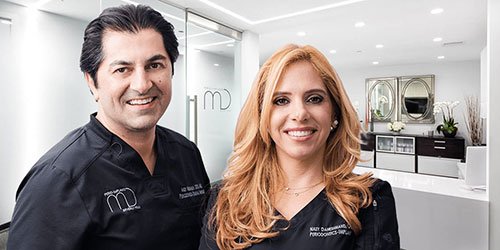
Dr. Abdy Moshrefi is a leading Periodontist and the founder of MD Perio. With a focus on minimally invasive techniques and microsurgery, Dr. Moshrefi has dedicated his career to restoring health and aesthetics to his patients’ smiles. He is a Diplomate of the American Board of Periodontology, a distinction held by a small percentage of dentists. His practice in Los Angeles is renowned for utilizing state-of-the-art technology to ensure the highest success rates in dental implant placement and periodontal therapy. Dr. Moshrefi believes in patient education and partners with his patients to achieve results that are not only beautiful but biologically stable and long-lasting.
Ready to Restore Your Smile Permanently?
Don’t leave your dental health to chance. If you are in the Los Angeles or Beverly Hills area, let’s discuss your options for a lasting smile.
Disclaimer: The content provided in this blog post is for informational purposes only and does not constitute professional medical advice, diagnosis, or treatment. Always seek the advice of your dentist, periodontist, or other qualified health provider with any questions you may have regarding a medical condition or dental treatment.

Dr. Moshrefi, a board-certified periodontist, graduated from UCLA in 1995 with Phi Beta Kappa and Magma Cum Laude honors. He graduated from USC’s Dental School in 2002 with a doctoral and specialty training in Periodontics and has a Master of Science degree in craniofacial biology.
- Crown Lengthening vs Veneers for a Gummy Smile - April 6, 2026
- How Long Do Dental Implants Last? Longevity Guide - March 9, 2026
- The Real Cost of Dental Implants in Beverly Hills - March 2, 2026